

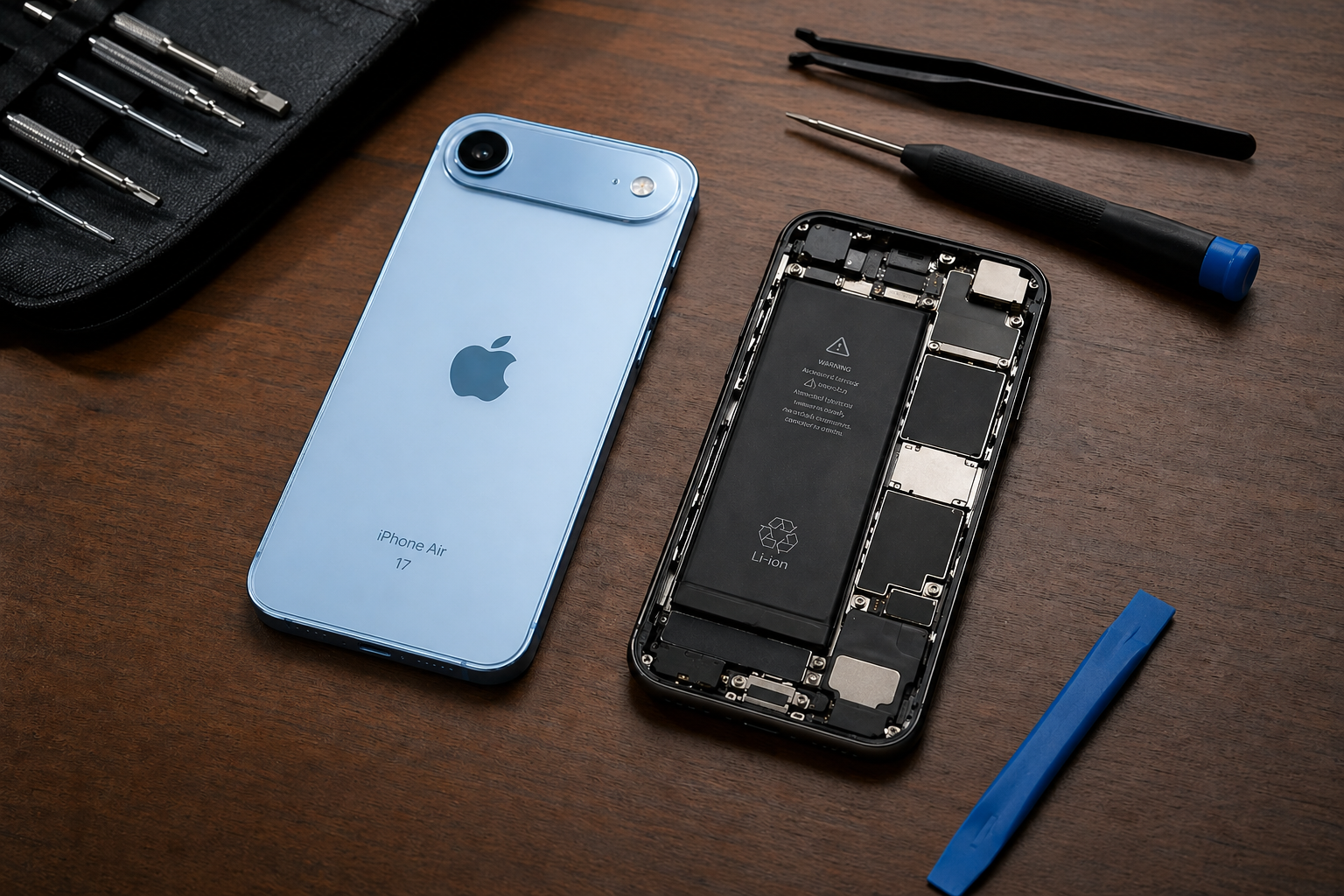
Every year, the technology world holds its collective breath for Apple’s latest innovations, and the massive shift we saw with the September 2025 release of the iPhone 17 series fundamentally changed the smartphone landscape well into 2026. The launch of the highly anticipated iPhone 17 lineup—alongside the jaw-dropping, brand-new iPhone Air—certainly didn’t disappoint. Apple pushed the boundaries of design and software with the leap to their new A19 silicon and the revolutionary iOS 26.
But as we welcome this next generation of ultra-powerful smartphones, we also have to say a bittersweet goodbye to some incredibly popular old favorites.
If you’ve recently visited the Apple Store online or walked into a retailer, you might have noticed some glaring omissions from their active lineup. Apple has officially discontinued the iPhone 16 Pro, iPhone 16 Pro Max, iPhone 15, and the iPhone 15 Plus, along with several other older models.
What does this massive catalog overhaul mean for you? Whether you’re itching to upgrade to the impossibly thin iPhone Air, wondering about the fluctuating resale value of your current device, or simply needing a reliable battery or screen repair to keep your older iPhone kicking for another three years, RockIT Repairs has you covered. Let’s break down absolutely everything you need to know about Apple’s latest catalog changes, the incredible new devices, and what your smartest financial move should be.
The Apple Discontinuation Cycle: Which iPhones Did Apple Axe?
With the dawn of the iPhone 17 era, Apple cleared house to make room for devices fully optimized for their rapidly evolving Apple Intelligence platform and the heavily upgraded iOS 26 ecosystem. By streamlining its active catalog, Apple gently pushes consumers toward its latest hardware while simplifying its global supply chain.
Here is the comprehensive list of the iPhones that were officially discontinued following the September 2025 Apple event:
-
iPhone 16 Pro & 16 Pro Max: Replaced by the vastly upgraded, AI-focused iPhone 17 Pro & 17 Pro Max.
-
iPhone 16 & 16 Plus: Replaced by the base model iPhone 17.
-
iPhone 15 & 15 Plus: The standard iPhone 15 was retired, clearing the runway for the entry-level devices.
-
iPhone 14 & 14 Plus: These older entry-level devices have finally been removed from Apple’s official storefront, effectively making USB-C the absolute standard across all newly sold Apple iPhones.
Expert Note from RockIT Repairs: Just because Apple discontinues a model does not mean it is obsolete! If you own an iPhone 15 or 16 Pro, you possess a highly capable, premium device. A simple iPhone battery replacement can easily extend its lifespan by years.
The Game Changer: What You Need to Know About the iPhone Air
While the iPhone 17 Pro is an impressive machine, the undeniable star of Apple’s current lineup is the iPhone Air. By officially killing off the bulky “Plus” series, Apple introduced a device that prioritizes extreme sleekness, portability, and futuristic aesthetics. It is a massive departure from the heavy, brick-like phones of the past few years.
Here is exactly what makes the iPhone Air the most talked-about phone of 2026:
-
Impossibly Thin Design: At a staggering 5.6mm thick, the iPhone Air is officially Apple’s thinnest and lightest iPhone ever created. It is a marvel of modern engineering, utilizing a rigid titanium frame to prevent bending while maintaining its sleek profile.
-
A Beautiful Display: It sits perfectly between the standard 17 and the Pro Max with a gorgeous 6.5-inch OLED display, offering a massive screen without the heavy footprint.
-
Uncompromised Power: Despite its ridiculously thin chassis, it doesn’t sacrifice performance. It packs the exact same blazing-fast A19 chip found in the standard models, alongside 8GB of LPDDR5X memory to run on-device Apple Intelligence tasks smoothly.
-
eSIM Only Worldwide: Pushing further into a portless, wireless future, Apple completely eradicated the physical SIM tray for the iPhone Air on a global scale.
-
Pricing & Colors: The iPhone Air starts at $999 for the 256GB model and is available in striking new colors like Sky Blue, Light Gold, Cloud White, and Space Black.
Enter the iPhone 17 Era: Massive Specs, Double Storage, and iOS 26
If you are considering a standard upgrade, the iPhone 17 lineup represents one of the most significant generational leaps we have seen from Apple in years. Here is exactly what the new base-model flagships bring to the table.
The Storage Bump: Goodbye 128GB
For years, tech reviewers and everyday consumers alike have complained about Apple’s insistence on starting base models at a measly 128GB of storage. With the release of the iPhone 17, Apple finally listened. The base iPhone 17 now starts at 256GB of storage—double the entry storage from previous generations. Even better? It retains the same competitive starting price of $799. Apple also offers a 512GB option for $999.
The Leap to iOS 26
If you are wondering whatever happened to iOS 19, 20, or 25, you aren’t alone. In a major branding shift introduced alongside the iPhone 17 in September 2025, Apple skipped over half a decade of numerical software updates to launch iOS 26. Apple adopted a new naming convention to align the software version with the calendar year (iOS 26 for the year 2026). It makes it vastly easier for everyday consumers to know if their device is running the current year’s software.
iPhone 17 Pro and 17 Pro Max
For the power users, the Pro models remain the undisputed heavy hitters. Equipped with the cutting-edge Apple A19 Pro chip and an upgraded 12GB of RAM, these devices feature a groundbreaking new memory security enforcement architecture that makes them the most secure consumer smartphones on the market. These devices are purpose-built for heavy on-device AI computing, advanced 48MP photography across all lenses, and seamless multitasking.
People Also Ask (PAA): Your Burning iPhone Discontinuation Questions Answered
(We’ve rounded up the top search queries and questions floating around the web to help you navigate this massive tech transition!)
Why did Apple discontinue the iPhone 16 Pro so quickly?
It is standard Apple strategy. By removing the one-year-old Pro models (the iPhone 16 Pro and 16 Pro Max) from their official store, Apple ensures that these older flagships don’t undercut the sales of their shiny new iPhone 17 Pro series. It streamlines their manufacturing supply chain and gently nudges tech enthusiasts toward the latest, most expensive hardware. However, third-party retailers and carriers may still sell remaining stock at a discount.
Will my discontinued iPhone 15 or 16 Pro still get iOS 26 updates?
Absolutely! The term “discontinued” only means Apple has stopped manufacturing them and selling them directly via the Apple Store. If you own an iPhone 15, iPhone 16, or their respective Pro variants, your device fully supports the newly released iOS 26. Furthermore, these devices will continue to receive crucial iOS software updates and security patches for at least another 5 to 6 years.
How long do discontinued iPhones receive updates?
Historically, most iPhones receive major iOS software updates for roughly 5 to 7 years after their initial launch date. Even after a device stops receiving the latest major iOS version upgrades, Apple continues to push out critical security updates for older models to ensure they remain protected against emerging vulnerabilities. Rest assured, your iPhone 14, 15, or 16 will remain secure well into the late 2020s.
Are discontinued Apple products still worth buying or fixing?
Yes, they are highly worth it! Discontinued models like the iPhone 15 Pro Max and iPhone 16 Pro are incredibly powerful smartphones that often see significant price drops on the secondary and refurbished markets. Buying a discontinued flagship is one of the smartest ways to get premium features (like titanium frames and advanced cameras) without paying the brand-new “Apple Tax.” Furthermore, fixing a broken screen or degrading battery on a discontinued model is highly cost-effective compared to buying a new $1,000+ device.
Why did Apple skip to iOS 26?
Apple launched iOS 26 in September 2025 to match the upcoming calendar year of 2026. Bypassing iOS 19 through 25 entirely, Apple adopted an automotive-style naming convention. This makes it instantly recognizable for users to know if their device’s software is up-to-date with the current year, reducing fragmentation and customer confusion.
Upgrade, Sell, or Repair? The Ultimate RockIT Repairs Cost Guide
Here is where the rubber meets the road for your wallet. Technology moves at blinding speeds, but that doesn’t mean you need to empty your bank account every single year. Here is our expert advice on what you should do right now.
1. When to Upgrade
If you are holding onto an iPhone 12, iPhone 13, or an older generation device, the jump to the iPhone 17 series will be mind-blowing. If your phone is struggling to run basic apps, failing to hold a charge for half a day, or you are simply desperate to experience the ultra-thin, futuristic 5.6mm titanium chassis of the new iPhone Air, it is time to upgrade. Carriers are currently offering aggressive trade-in promotions to get users onto the new iOS 26 ecosystem.
2. When to Sell
Discontinued Pro models—specifically the iPhone 16 Pro and 16 Pro Max—hold their resale value incredibly well on the secondary market. However, that value drops every single week the iPhone 17 is on the market. If you are determined to upgrade to the new A19 Pro chip or want the radical redesign of the iPhone Air, sell your current device now before the used market gets too saturated.
3. When to Keep & Repair (The Smart Choice)
Do you currently own an iPhone 14 Pro, iPhone 15, or iPhone 16 Pro? Keep it! These devices are still absolute powerhouses that run iOS 26 flawlessly and take incredible photos.
Do not let a cracked screen, a shattered back glass panel, a broken charging port, or a rapidly degrading battery force you into spending over a grand on a brand-new phone. At RockIT Repairs, we specialize in high-quality, fast-turnaround repairs for all iPhone models—including the recently discontinued ones!
A quick, affordable battery replacement can instantly revitalize your iPhone 15 or 16, restoring its peak performance and making it feel brand new again for a tiny fraction of the cost of the iPhone 17. Our expert technicians use top-tier parts to ensure your phone operates exactly as Apple intended, saving you hundreds of dollars and keeping perfectly good tech out of landfills.
The Bottom Line
Apple’s dramatic shift to the iPhone 17 lineup, the introduction of the jaw-dropping iPhone Air, and the bold leap to iOS 26 represents one of the most exciting eras in smartphone history. While it is always a little sad to see excellent, trusted devices like the iPhone 16 Pro and iPhone 15 hit the discontinuation list, it ultimately paves the way for faster, smarter, and sleeker technology.
Whether you decide to take the financial leap and buy the breathtaking new $999 iPhone Air, or you want to breathe new life into your reliable older iPhone with a much-needed screen or battery repair, we are here to help you get the absolute most out of your tech investment.
Is your older iPhone acting up? Need professional advice on whether your current phone is worth fixing or trading in? Drop by RockIT Repairs or contact us today to get a fast, free, and honest diagnostic quote!